
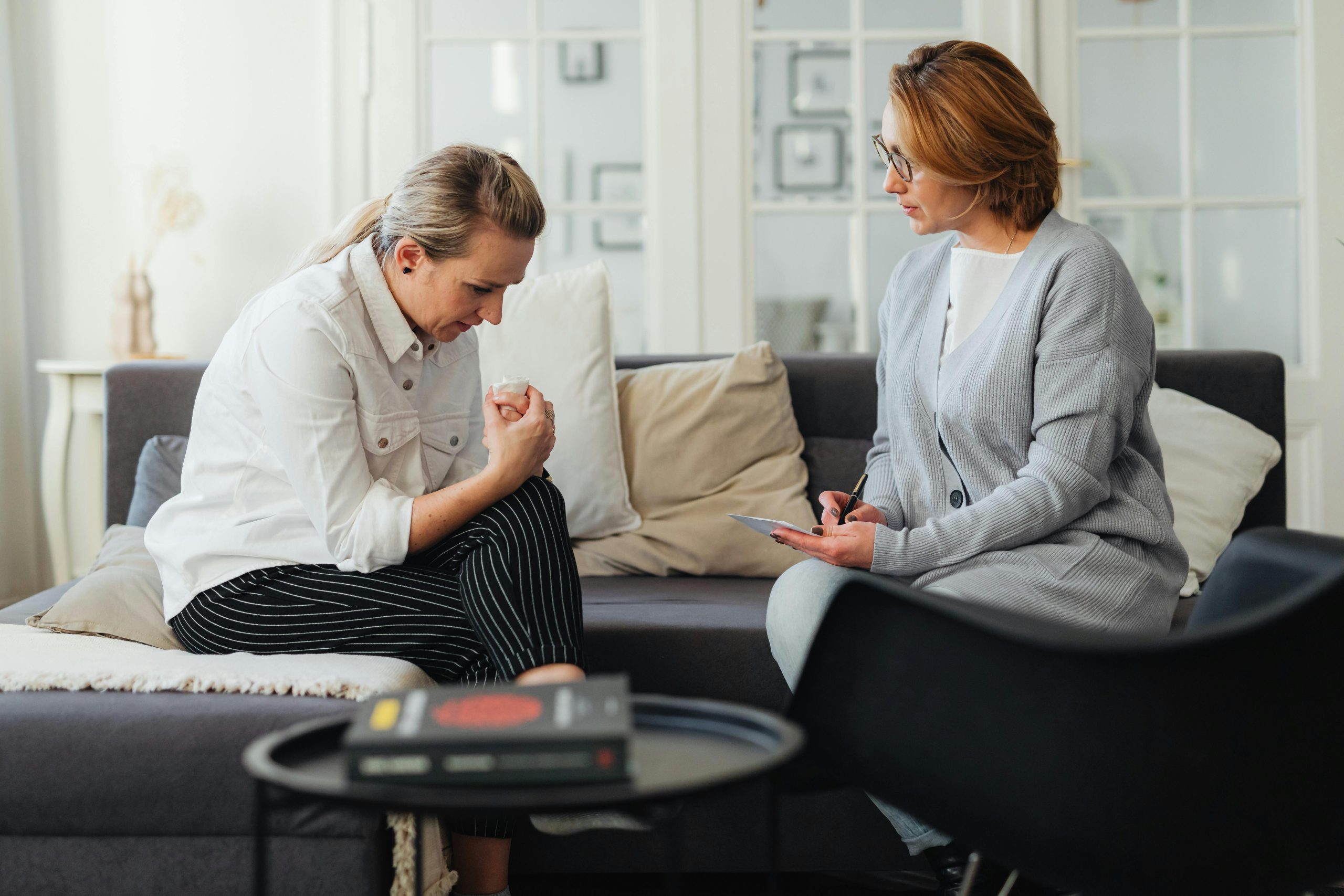
Understanding Eating Disorder Treatment Services in Dubai
Dubai has emerged as a leading destination for specialized eating disorder treatment, offering comprehensive therapeutic approaches that combine international expertise with culturally sensitive care. According to the UAE Ministry of Health (2024), mental health service utilization has increased by 35% in the Emirates, reflecting growing awareness and acceptance of professional support.
Are you or someone you care about struggling with complex feelings around food and body image? Professional support for eating disorder dubai provides evidence-based treatments including cognitive behavioral therapy and dialectical behavior therapy, delivered in safe, non-judgmental environments that prioritize client anonymity and holistic recovery.
Also read : Boosting Family Communication: Top Techniques for Connecting with Hearing-Impaired Loved Ones
Types of Therapeutic Approaches Available
Dubai offers a comprehensive range of evidence-based therapeutic approaches designed to address various eating disorders with precision and care. Mental health professionals in the emirate utilize internationally recognized methodologies that have proven effective across diverse cultural backgrounds and individual needs.
Cognitive Behavioral Therapy (CBT) forms the cornerstone of many treatment programs, helping clients identify and reshape harmful thought patterns related to food, body image, and self-worth. This structured approach enables individuals to develop practical coping strategies while addressing the underlying beliefs that fuel disordered eating behaviors.
Have you seen this : Uncovering How Alkaline Diets Can Alleviate Inflammation in Chronic Urticaria Patients
Dialectical Behavior Therapy (DBT) provides another powerful framework, particularly beneficial for those struggling with emotional regulation alongside their eating disorder. This therapeutic method teaches mindfulness techniques and distress tolerance skills that prove invaluable in managing triggers and preventing relapse.
Many practitioners in Dubai embrace holistic therapeutic approaches that integrate traditional psychotherapy with complementary methods. These may include nutritional counseling, family therapy sessions, and body-positive interventions that address the whole person rather than symptoms alone. The emphasis on personalized treatment plans ensures that each individual receives care tailored to their specific circumstances, cultural background, and recovery goals.
What to Look for in a Qualified Therapist
Finding the right therapist for eating disorder treatment requires careful consideration of their qualifications and approach. In Dubai’s diverse healthcare landscape, specialized expertise in eating disorders is essential for effective recovery.
A qualified eating disorder therapist should possess specific certifications and training beyond general mental health credentials. Look for professionals with international recognition and experience in evidence-based treatments like CBT and DBT.
- International certifications in eating disorder treatment from recognized institutions
- Specialized training in cognitive-behavioral therapy (CBT) and dialectical behavior therapy (DBT)
- Minimum 5+ years of experience treating various eating disorders
- Commitment to ongoing professional development and current treatment methodologies
- Strong emphasis on client confidentiality and creating safe, non-judgmental spaces
- Cultural sensitivity and understanding of diverse backgrounds in Dubai’s international community
- Flexible therapy options including online counseling for accessibility
The therapeutic relationship is crucial for recovery success. Your therapist should demonstrate empathy, maintain strict confidentiality standards, and create an environment where you feel completely safe to explore your relationship with food and body image.
How Online Counseling Enhances Accessibility
Online counseling has revolutionized access to eating disorder treatment, particularly for individuals who face barriers to traditional in-person therapy. The flexibility of scheduling allows clients to book sessions outside conventional business hours, accommodating busy professionals and students who might otherwise struggle to prioritize their mental health.
The comfort of receiving therapy from home creates a particularly safe environment for those dealing with eating disorders. Many individuals feel more relaxed discussing sensitive topics about food, body image, and personal struggles within their familiar surroundings. This comfort level often leads to more open communication and faster therapeutic progress.
Continuity of care becomes seamless with virtual sessions. Clients traveling for work or temporarily relocating don’t need to interrupt their treatment journey. This consistency proves crucial for eating disorder recovery, where regular therapeutic contact maintains momentum and prevents setbacks during vulnerable periods.
Privacy concerns about online counseling are addressable through encrypted platforms and secure communication channels. Professional therapists use HIPAA-compliant technology that often provides greater anonymity than walking into a physical clinic. Research consistently demonstrates that virtual therapy sessions maintain the same therapeutic effectiveness as face-to-face meetings when conducted by qualified professionals.
Creating Safe Therapeutic Environments
The foundation of effective eating disorder treatment rests on creating a sanctuary of safety where vulnerability becomes strength. Every element of the therapeutic environment, from the physical space to the emotional atmosphere, must communicate acceptance and understanding without judgment.
A non-judgmental approach forms the cornerstone of meaningful therapeutic relationships. When clients feel truly heard rather than evaluated, they develop the courage to explore their deepest fears and behaviors. This psychological safety transforms the therapy room into a space where healing conversations can flourish naturally.
Client anonymity and confidentiality create additional layers of protection that allow individuals to speak freely about their experiences. These safeguards ensure that personal revelations shared during vulnerable moments remain protected, building the trust necessary for genuine therapeutic progress.
The physical environment itself plays a crucial role in the healing process. Comfortable, private spaces with thoughtful design elements help clients feel grounded and secure. When combined with a therapist’s empathetic presence, these environments become catalysts for transformation, allowing individuals to gradually rebuild their relationship with food, body image, and self-worth.
Treatment Costs and Investment in Recovery
The cost of eating disorder therapy in Dubai varies significantly based on several key factors. Therapist qualifications and international credentials often influence pricing, with internationally recognized practitioners typically charging premium rates that reflect their specialized expertise and proven track records in eating disorder treatment.
Session frequency and treatment duration also impact overall investment. Intensive programs requiring multiple weekly sessions naturally cost more than standard weekly appointments, but they often deliver faster results and reduce long-term treatment duration. Many Dubai-based practices offer flexible payment options, including package deals for extended therapy commitments and installment plans to make quality care more accessible.
The long-term value of professional eating disorder treatment extends far beyond immediate costs. Quality therapy prevents costly medical complications, reduces hospitalization risks, and improves overall life quality. When considering treatment options, the focus should remain on finding qualified therapists with proven experience rather than simply seeking the lowest price.
Online counseling services often provide more affordable alternatives while maintaining therapeutic quality, making professional support accessible to a broader range of clients seeking eating disorder recovery in Dubai.
Frequently Asked Questions
Where can I find eating disorder counseling in Dubai?
Dubai offers several specialized centers and private practices. Look for internationally accredited therapists who understand cultural sensitivities and provide evidence-based treatments in comfortable, confidential environments.
What types of eating disorder treatments are available in Dubai?
Treatment options include Cognitive Behavioral Therapy (CBT), Dialectical Behavior Therapy (DBT), family therapy, nutritional counseling, and holistic approaches that address both psychological and physical aspects of recovery.
How much does eating disorder therapy cost in Dubai?
Costs vary between AED 500-1,500 per session depending on therapist qualifications and treatment type. Many practices offer sliding scales or payment plans to ensure accessibility for comprehensive care.
Are there online eating disorder counseling services in Dubai?
Yes, many qualified therapists offer secure online sessions for flexibility and privacy. This option maintains the same therapeutic quality while accommodating busy schedules and comfort preferences.
What qualifications should I look for in an eating disorder therapist in Dubai?
Seek therapists with specialized eating disorder training, international certifications, and experience with diverse populations. Verify their credentials and approach to ensure culturally sensitive, evidence-based treatment methods.
How long does eating disorder treatment typically take in Dubai?
Treatment duration varies based on individual needs, typically ranging from several months to years. Recovery is a gradual process requiring patience, consistency, and ongoing professional support.